
History
“Throughout its history, SAAC has remained grounded in its mission to provide meaningful experiences that extend beyond competition.”
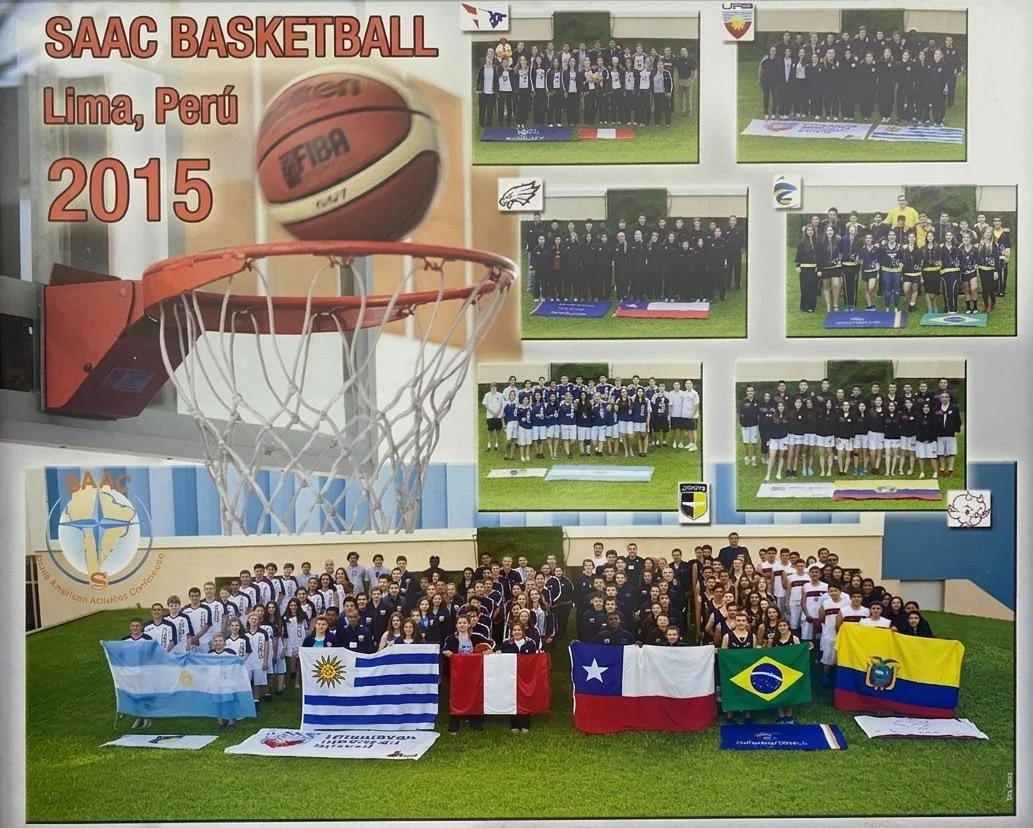
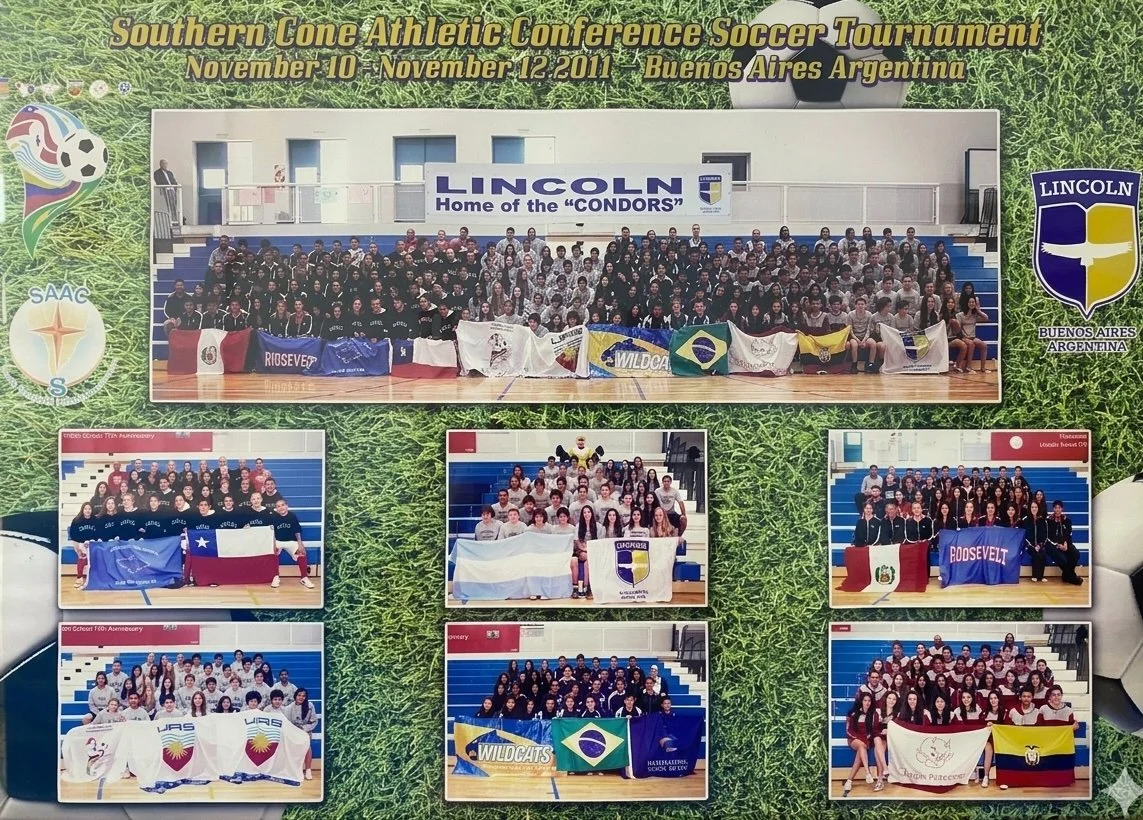
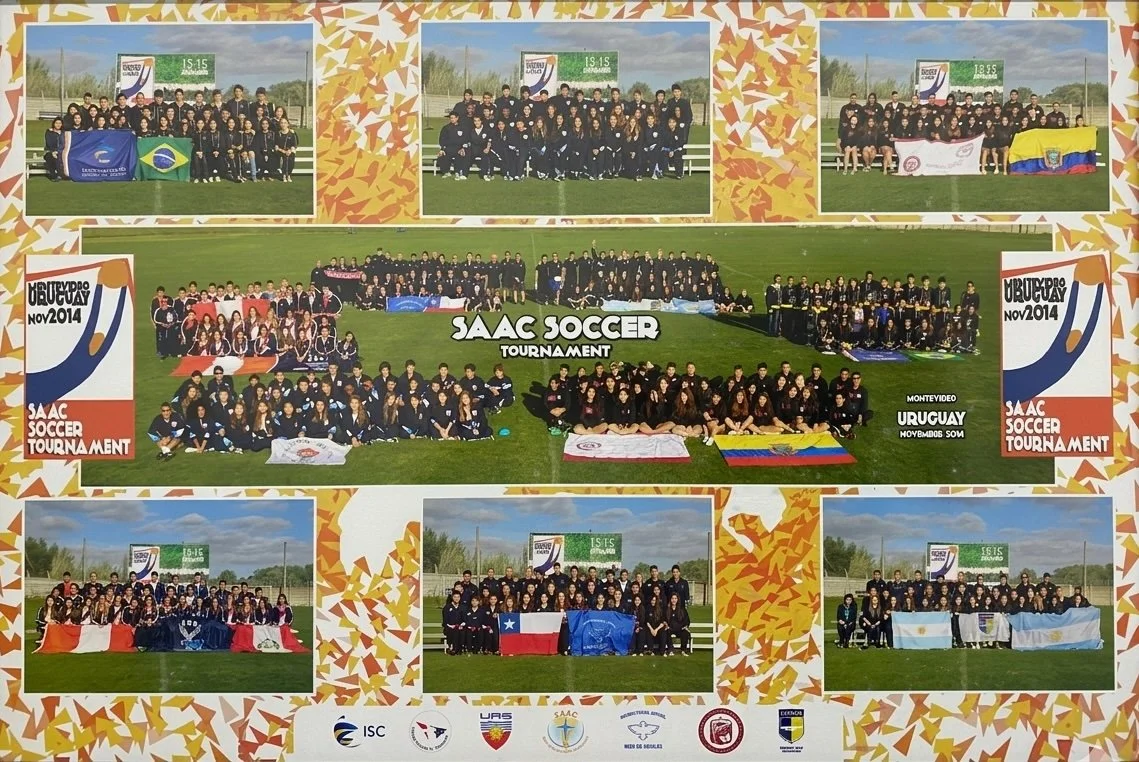
The South American Activities Conference (SAAC) was officially established during the 2007–2008 school year, marking the beginning of a new era of interscholastic competition and collaboration among international schools in the region. What began as a modest initiative quickly evolved into a dynamic and meaningful platform for student-athletes to compete, grow, and represent their schools with pride.
SAAC’s inaugural season featured its first official competition in soccer, with five founding member schools: Lincoln, FDR, ASQ, Nido, and UAS. This historic launch set the tone for the league’s competitive spirit and camaraderie. In that first year, Lincoln claimed the boys’ soccer championship, while FDR secured the girls’ title, establishing early traditions of excellence that would continue to define the conference.
In addition to soccer, the 2007–2008 school year also included volleyball and basketball tournaments, demonstrating an early commitment to offering a diverse athletic conference. As participation and enthusiasm grew, SAAC steadily expanded both its membership and its range of sports offerings.
A significant milestone came during the 2011–2012 school year, when ISC joined the conference, strengthening the league’s competitive landscape. This growth continued over the following years, culminating in the 2018–2019 school year with the addition of Graded, completing the current seven-school structure that defines SAAC today.
The conference has consistently evolved to meet the interests and talents of its student-athletes. In the 2012–2013 school year, swimming was introduced as an invitational sport, initially featuring participation from FDR, Nido, and UAS. This marked the beginning of SAAC’s expansion into a broader range of athletic opportunities beyond its original core sports.
A decade later, during the 2022–2023 school year, SAAC experienced another major phase of growth with the introduction of additional invitational sports, including cross country, track & field, and tennis. In the same year, Model United Nations (MUN) was incorporated, reflecting SAAC’s commitment to fostering not only athletic excellence but also global citizenship among its students.
Throughout its history, SAAC has remained grounded in its mission to provide meaningful experiences that extend beyond competition. The conference has cultivated a strong sense of community, sportsmanship, and personal development. Today, SAAC alumni can be found all over the world, many of whom look back fondly on their experiences as student-athletes. These former participants carry with them lasting memories of teamwork, perseverance, and school pride, values that continue to define the SAAC experience.
From its humble beginnings to its current status as a well-established and respected conference, SAAC’s history is a testament to growth, collaboration, and the enduring impact of student activities in shaping well-rounded individuals.